
Garage door repair
Garage door tune-up and maintenance for a door that’s gotten loud or slow.
A tune-up is lubrication, a spring-tension adjustment and a close look at what wears out: rollers, hinges, cables, the bottom seal and the opener. It’s the visit where you find out what’s getting tired before it quits on a weekday morning.
Quickest is a call: (615) 810-6415
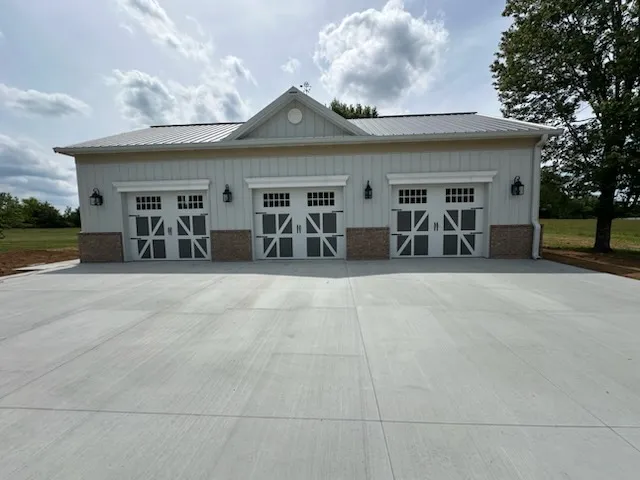
What happens during a tune-up?
- The moving parts get lubricated: hinges, roller bearings, the springs and their bearings.
- Spring tension is adjusted so the door balances on its own.
- Cables, rollers, track, hinges and the bottom rubber are checked for wear.
- The opener’s safety reverse and force settings are tested.
- Remotes, keypads and your car are synced to the opener, along with LiftMaster’s MyQ if you use it.
If something is wearing, you’ll hear about it plainly, with an honest read on whether it needs doing now or can wait. When Clay did Jeanie Frautschy’s doors, that meant lubricating what needed it, syncing the openers to her car, and telling her that her cables had a life of about 10,000 cycles and what sound would mean they were near the end. That plain read is what brings people back for the next one.
Why does a balanced door matter?
Because the springs are supposed to carry the door, and the opener is only supposed to steer it. When tension drops, the motor makes up the difference on every single trip, and that’s what wears out gears and boards. The springs themselves suffer too: one that’s been backed off or has lost tension is working harder on every lift, and it tends to be the one that snaps on a cold morning.
You can check the balance yourself. With the door closed, pull the opener’s release cord, lift the door by hand to about halfway, and let go. A balanced door stays put or drifts slowly. One that drops or shoots up needs its springs adjusted, and that adjustment is ours to make. Reconnect the opener when you’re done.
How often should a garage door be serviced?
Once a year suits most houses. A door that cycles many times a day, or a heavy wood door from Carriage House Doors on a commercial-style opener, earns a closer eye.
Between visits, a few minutes a month helps. Look over the cables near the bottom corners, listen for new grinding or popping, and test the safety reverse by closing the door on a roll of paper towels. The two photo eyes sit no more than 6 inches off the floor; wipe the lenses if the door starts reversing for no reason.
What a tune-up can’t fix
Worn-out parts. Lubricant quiets a roller but won’t restore one with a flat spot, and adjusting a spring near the end of its life only buys a little time. When we find that, the next step is a real repair: a spring change, new cables, or a hard look at an opener that’s been working too hard. You’ll know before you leave the driveway what we’d do first.
Answers
Garage door tune-up and maintenance: questions people ask
What is included in a garage door tune-up?
Lubrication of the hinges, rollers and springs; a spring-tension adjustment so the door balances; an inspection of the cables, track, rollers and bottom seal; a test of the opener’s safety reverse; and syncing your remotes, keypad and car. Worn parts are pointed out, with an honest call on whether they can wait.
What lubricant should I use on my garage door?
A spray lubricant made for garage doors, such as white lithium or silicone, on the hinges, roller bearings and spring coils. Skip heavy grease, which collects grit, and leave the tracks themselves clean and dry so the rollers roll instead of sliding. Plain WD-40 cleans more than it lubricates.
Why is my garage door so loud?
Dry hinges and rollers, worn metal rollers, loose hardware or a chain-drive opener. A tune-up takes care of the dry parts and loose bolts. Worn rollers get swapped for nylon ones, and an opener under a bonus room may be worth trading for a belt drive.
Is a garage door tune-up worth it?
For most doors, yes. It catches a fraying cable or a spring losing tension while it’s still a planned repair, before it becomes a door that won’t open with the car inside. Some customers book one regularly rather than wait for a noise.
How do I test my garage door’s auto-reverse?
Lay a 2x4 flat on the floor in the door’s path and close the door with the opener; it should reverse as soon as it touches the board. Then pass something through the photo-eye beam while the door is closing; it should stop and go back up. If either test fails, call us.
Can I do garage door maintenance myself?
Some of it. Lubricating hinges and rollers, wiping the photo eyes, testing the reverse and checking the balance are all fine for a homeowner. Adjusting spring tension or loosening the bottom brackets is not: those parts are under heavy load, and that’s where people get hurt.